
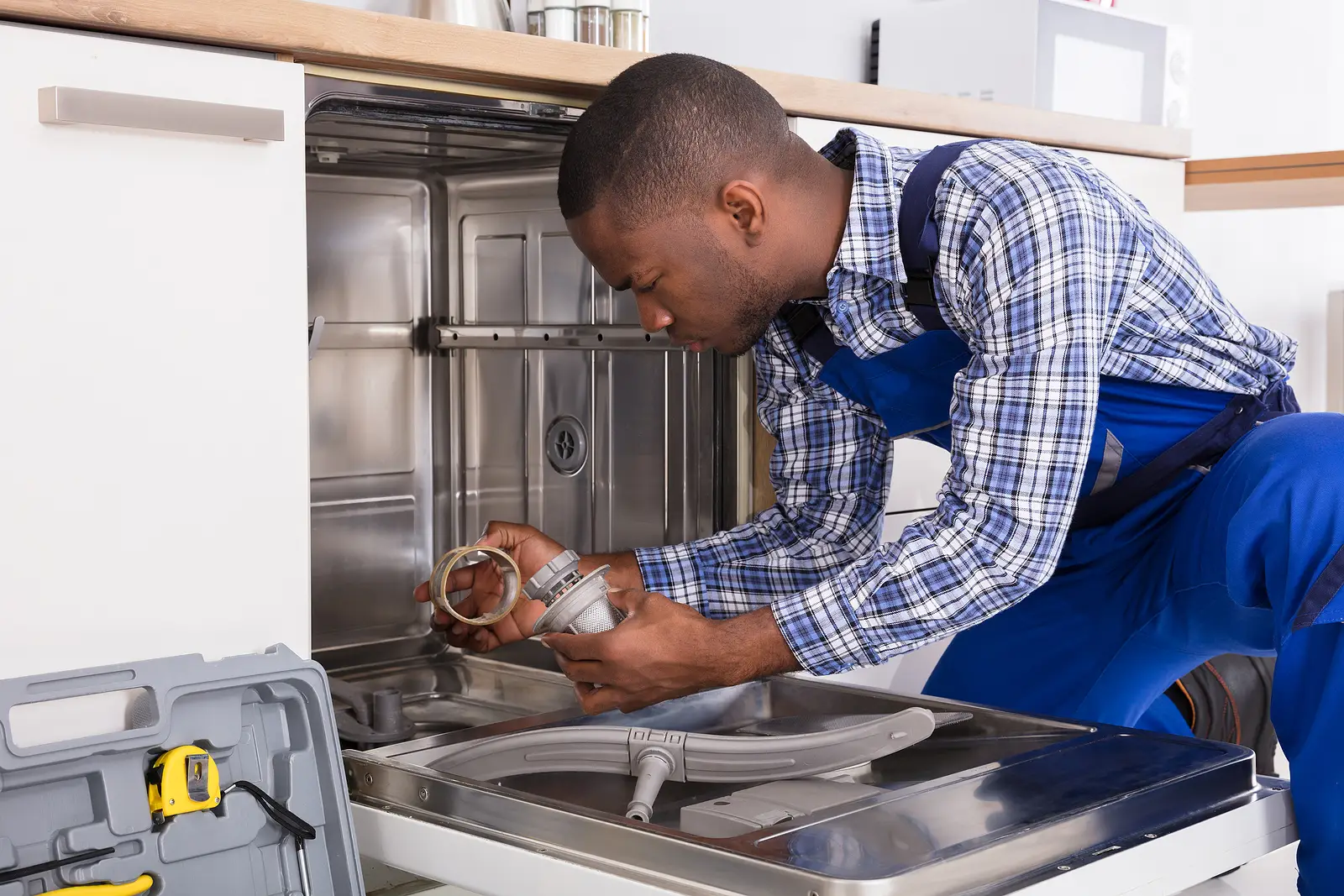
A steady flow of maintenance updates is easier to interpret when a tenant feedback system keeps concerns organized and visible. One week it is a slow drain. A few weeks later, the same fixture backs up again. Then the air conditioning struggles right after a service visit, or a circuit problem resurfaces after it supposedly had been handled.
That kind of repetition can quietly reshape how a rental performs. What seems minor at first may point to a larger issue involving equipment age, deferred upkeep, or a repair process that solves the symptom instead of the cause. In West Palm Beach, where heat, humidity, and year-round occupancy can put extra strain on residential systems, repeated repairs can erode profit and tenant confidence faster than many owners expect.
Key Takeaways
- Repeated repairs usually point to deeper property issues that need more than a quick service call.
- Small maintenance problems become expensive when they show up again and again.
- Delayed upgrades often lead to lower efficiency and more disruption for tenants.
- Reliable maintenance habits support better renewals and steadier property performance.
- Tracking patterns helps owners make better repair, upgrade, and budgeting decisions.
Repetition Usually Means Something Bigger Is Happening
When the same problem keeps showing up, there is usually a reason behind it. Looking at the pattern, rather than the single repair ticket, gives owners a better chance of fixing the real issue.
A leak that returns after several visits may reflect worn-out plumbing connections. A recurring breaker trip may point to an overloaded circuit. An HVAC complaint that never fully goes away could mean the system is undersized, aging, or struggling with airflow problems. West Palm Beach rentals often face additional stress from moisture, salt air, and frequent cooling demands, so repeated repair calls should never be dismissed as random.
What repeat issues can reveal
Recurring maintenance requests often expose hidden inefficiencies that a one-time visit will miss. They may suggest:
- poor original installation
- aging materials or outdated equipment
- incomplete repairs that only addressed the visible problem
- usage patterns that reveal a system no longer suited to the property
Instead of treating each work order as a separate event, it helps to compare timelines, locations, and systems involved. That broader view makes long-term planning much easier.
Repair Costs Build Faster Than Most Owners Realize
A single service call may feel manageable. The problem starts when the same issue drains the budget across multiple months.
Each repeat visit brings fresh labor charges, materials, scheduling time, and administrative effort. Even small invoices become significant when the same problem circles back. National housing data also shows how costly ongoing ownership has become, with median monthly housing expenses reaching $2,035 in 2024.
That broader cost pressure matters because recurring repairs do not exist in isolation. They compete with every other ownership expense, from insurance and utilities to cleaning, turnovers, and reserve planning.
Why quick fixes often cost more later
Temporary repairs can feel efficient because they restore function fast. The trouble is that speed does not always equal durability. If a repair does not solve the source of the issue, it simply resets the clock until the next complaint arrives.
This is one reason many owners eventually look for a more hands-off rental approach. Consistent oversight helps identify when repeat repairs are draining money without delivering real improvement.
Delayed Upgrades Can Keep a Property Stuck
There is a point when repairing stops being practical. Knowing when to stop patching and start upgrading can protect both cash flow and tenant experience.
In West Palm Beach, older systems often work harder because of climate demands. Air conditioning, moisture control, plumbing fixtures, and electrical components can wear out faster under constant use. If you keep repairing something that is already near the end of its lifespan, you may spend more while getting less reliable performance.
Warning signs that replacement deserves consideration
- The same system needs service several times a year.
- Repair costs are climbing without improving performance.
- Tenants continue reporting comfort or usability issues.
- Utility efficiency appears to be slipping over time.
Data review can help with these decisions. A free rental analysis can show where performance gaps may be affecting your investment, while clear owner accounting tools make it easier to see how repeated repairs influence the numbers.
Tenant Trust Depends on Consistent Results
Tenants rarely judge maintenance by response time alone. They also care whether the problem stays fixed.
When an issue keeps coming back, frustration builds. Even a responsive owner or manager can lose credibility if the same faucet leaks again, the same room stays too warm, or the same appliance keeps malfunctioning. In a residential market like West Palm Beach, where renter expectations remain high, repeated inconvenience can shape the entire living experience.
How repeat repairs affect the resident experience
A recurring problem disrupts routines. It can also make tenants feel as though the property is being managed reactively instead of carefully. Over time, that perception influences communication, satisfaction, and lease renewal decisions.
For newer owners, this is one of the most overlooked lessons in day-to-day operations. A practical landlord survival guide can help highlight how maintenance quality affects retention just as much as pricing or marketing.
Turnover Gets More Expensive When Maintenance Feels Unreliable
Tenant frustration rarely stays contained to one service request. If enough small problems pile up, residents may decide not to renew.
That decision has a price. Turnover brings vacancy, cleaning, leasing coordination, showings, screening, and possible make-ready expenses. It also creates income gaps that are often far larger than the cost of doing the original repair correctly.
Across the country, home repair needs have reached $198.4 billion in a single year, a reminder that unresolved maintenance issues create broad financial pressure. At the property level, that pressure often shows up through resident loss and preventable rework.
Better systems support better retention
Long-term rental performance improves when maintenance decisions are tied to a broader strategy. That includes stronger planning, more consistent follow-up, and a clearer process for deciding when to repair, replace, or upgrade. Many owners benefit from ideas that support a stress-free portfolio, especially when recurring repair patterns begin affecting retention and workload.
If owners want additional clarity on operational questions, reviewing common property owner FAQs can also help frame better decisions before small problems grow.
Prevention Works Better Than Repetition
The best way to reduce recurring repairs is to catch patterns early and respond with a long-term mindset. Preventive planning is far more effective than repeatedly reacting to the same issue.
This does not always mean replacing everything at once. It means documenting repairs carefully, evaluating repeat trouble spots, and choosing solutions that improve reliability. In a climate like West Palm Beach, this may also include better moisture management, more attention to air conditioning performance, and upgrades that help systems handle constant use.
Thoughtful oversight, paired with consistent communication, creates a more stable rental experience for everyone involved.
FAQs about Recurring Repairs and Rental Property Efficiency in West Palm Beach, FL
How many repeat repairs should concern a rental owner?
If the same issue shows up two or three times within a short period, it deserves closer review. Repetition usually signals an unresolved cause, aging equipment, or a repair choice that did not fully solve the problem.
Do recurring repairs always mean a system must be replaced?
Not always. Some issues come from installation errors, deferred maintenance, or missed diagnostic steps. Replacement becomes more likely when repair costs rise, efficiency drops, and service calls continue without producing lasting improvement.
Can recurring maintenance problems lower tenant retention?
Yes, repeated issues can wear down tenant confidence. Even prompt responses lose value when the same problem keeps returning, and that frustration can influence lease renewals, reviews, and the overall resident experience.
Why do West Palm Beach rentals face repeat maintenance issues?
Heat, humidity, and constant HVAC use place extra stress on residential systems in West Palm Beach. Moisture exposure can also contribute to plumbing, electrical, and comfort-related issues that appear more than once over time.
What helps owners reduce recurring repair costs?
Tracking maintenance history, reviewing vendor performance, and knowing when to upgrade instead of patching are key steps. A proactive plan helps owners reduce rework, improve reliability, and protect long-term property performance.
Give Your Property a More Reliable Future
Repeat repairs are rarely just annoying maintenance details. They are often early warnings that your rental needs a smarter plan. Addressing those patterns can improve tenant satisfaction, reduce avoidable expenses, and keep your West Palm Beach property performing at a higher level.
At PMI Palm Properties, we help owners move beyond temporary fixes and toward more dependable solutions that support long-term results. When your property starts sending the same warning more than once, it may be time to act with more clarity. Strengthen your maintenance results with PMI Palm Properties and put recurring repair cycles behind you.